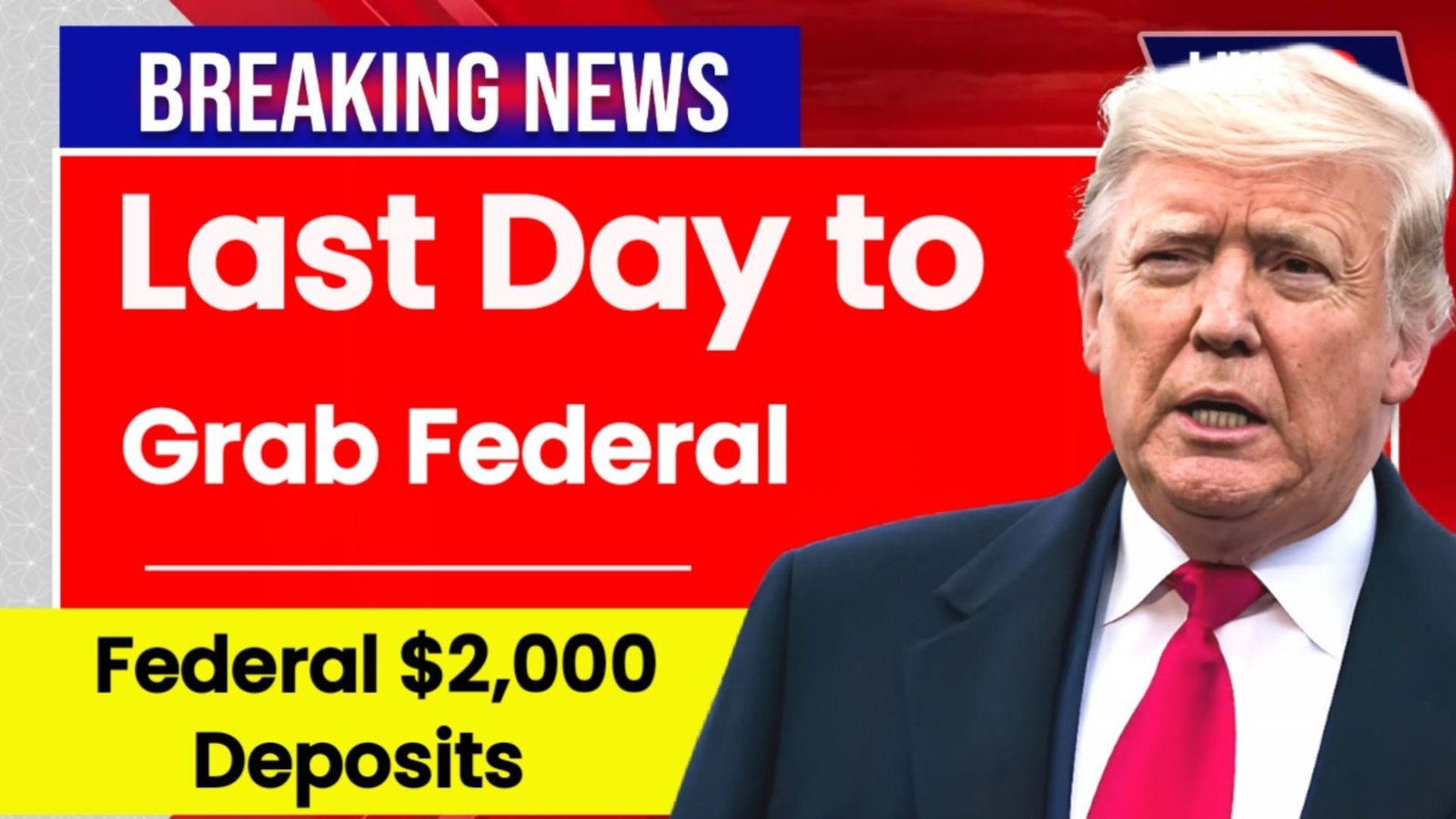
In today’s fast-paced world, who wouldn’t want a quick cash boost from Uncle Sam? If you’ve been scrolling through your social media feed lately, you might have seen urgent posts screaming about the “last day to grab federal $2,000 deposits in 2025” for everyday Americans. These messages promise easy money to help with bills, groceries, or holiday shopping. But hold on – is this a golden opportunity or just another online trick? As a U.S. citizen facing rising prices on everything from gas to rent, it’s natural to feel excited (or worried) about potential government help.
In this eye-opening guide, we’ll cut through the noise, explain what’s really happening with these federal $2,000 deposits, and arm you with simple steps to stay safe. Spoiler: There’s no magic deadline today, but understanding the truth could save you from scams and keep you ready for real relief down the road. Let’s dive in and uncover the facts behind the hype.
The Shocking Truth: Where Did These $2,000 Federal Deposit Rumors Come From?
Picture this: A bold idea floats around Washington, D.C., about sharing extra money from taxes on imported stuff with regular folks like you and me. That’s the root of all the buzz. Back in the news cycle, folks like former President Donald Trump and his team floated a “tariff payout plan.” In plain English, tariffs are like extra fees on goods coming from other countries – think cheaper clothes or gadgets. The plan? Take some of that fee money and send it back to American homes as a one-time $2,000 federal deposit. Sounds great, right? It grabbed headlines and went viral because who doesn’t love free cash?
But here’s the catch: This was just a suggestion, not a done deal. For it to become real, lawmakers in Congress would need to talk it over, vote yes, set aside the cash, and let the IRS (that’s the tax folks) handle the checks. Guess what? None of that has happened yet. No bill passed, no money approved – zip, zero, nada. So, those social media posts claiming it’s “approved and ready”? They’re stretching the truth like taffy. This rumor exploded because it taps into our hopes during tough times, but it’s more wishful thinking than wallet-filling reality.
Why Social Media is Flooded with Fake “Last Day” Warnings – And How They Hook You
Ever clicked on a post with a ticking clock saying “Only 24 hours left to claim your federal $2,000 deposit“? You’re not alone – millions do it daily. These sneaky messages pop up on Facebook, Twitter (now X), and TikTok, dressed up with fake government seals and dramatic countdowns. The goal? Get you to click fast without thinking. Once you do, bam – you’re hit with pop-up ads, shady sign-up forms, or worse, requests for your bank details.
Why does this work so well? Bad actors (aka scammers) know we’re all stressed. With food prices up 25% in the last few years and rent squeezing budgets, a promise of quick $2,000 federal deposits feels like a lifeline. They twist the original tariff idea into “secret government giveaways” to create panic. But experts from the Federal Trade Commission (FTC) warn: Real government aid doesn’t start with urgent DMs or mystery links. If it’s too good to be true, it probably is. By sharing these tips early, we’re helping you spot the fakes before they empty your pockets.
Quick Table: Spotting Real vs. Fake Federal Payment Alerts
| Sign of a Real Program | Red Flag for a Scam |
|---|---|
| Announced on IRS.gov or Treasury.gov with clear rules | Pushed only on social media with “act now” timers |
| No requests for upfront fees or personal info via email/text | Asks for SSN, bank info, or “processing fees” immediately |
| Covered by major news like CNN or BBC | From unknown accounts with few followers |
| Eligibility based on taxes or benefits you already get | Promises money to “everyone” with a quick form |
| Takes weeks/months to roll out | Claims instant deposits in hours |
This simple table can be your cheat sheet – print it out and keep it handy next time a “hot tip” lands in your feed.
No Deadline Today: Why There’s No Rush to Apply for $2,000 Deposits
Let’s set the record straight: As of December 1, 2025, there’s no last day for federal $2,000 deposits. No online form, no hotline, no app – nothing. The IRS isn’t mailing checks, and the Social Security office isn’t queuing up calls. If a program like this existed, it’d be blasted across every TV screen and official website, just like the COVID stimulus checks back in 2020-2021. Those real payments went out to over 160 million people because Congress made it law – something that’s missing here.
Instead, these rumors are pure smoke and mirrors. The tariff payout talk is still just chatter in policy circles, not a check in your mailbox. For low-income families, seniors on fixed incomes, or workers juggling side gigs, this false hope hurts more than helps. It wastes time and builds stress. But don’t lose heart – we’ll cover how to prep for actual aid later.
Scam Dangers: How Crooks Cash In on Your Hopes for Federal Help
Scammers are like digital pickpockets, thriving on confusion. They build phony sites mimicking USA.gov, complete with eagle logos and urgent banners about “grab federal $2,000 deposits.” Click, and they snag your email for spam or worse – your identity for loans in your name. The FTC reports over $8 billion lost to scams last year, with “government imposter” tricks topping the list.
Why target this now? Economic pinch makes us vulnerable. Gas at $4 a gallon, eggs costing an arm and a leg – it’s no wonder $2,000 federal deposits sound dreamy. But remember: The IRS never cold-calls for info, and real aid is free to claim. If a message says “pay $50 to unlock your funds,” run the other way.
Top 5 Easy Ways to Dodge These Traps
- Verify First: Always Google the claim + “IRS scam” for red flags.
- Stick to Official Sites: Bookmark IRS.gov and check there weekly.
- Pause and Think: If it’s pushing “now or never,” it’s likely never.
- Report It: Forward fishy texts to 7726 (SPAM) or report to FTC.gov.
- Talk It Out: Share suspicious posts with family – two heads beat one.
Bright Side: Real Government Aid That’s Actually Available in 2025
While the $2,000 federal deposits buzz is bunk, Uncle Sam has plenty of legit lifelines. Programs like SNAP (food stamps), LIHEAP (energy bills), and EITC (tax credits) helped 50 million folks last year. And yes, stimulus-style checks could return if inflation keeps biting. Lawmakers are eyeing tariff tweaks and family rebates – watch for bills in early 2026 sessions.
For now, focus on what’s here:
- Earned Income Tax Credit: Up to $7,430 back if you earn under $63,398.
- Child Tax Credit: $2,000 per kid, with advances possible.
- Senior Benefits: Extra Social Security COLA bumps in 2025.
If a real federal $2,000 deposit program launches, it’ll follow the playbook: Public votes, IRS notices, and zero secrecy.
Stay Ahead: What Happens If Real Relief Hits in 2026?
Imagine waking up to an IRS email: “Your $2,000 federal deposit is en route.” That’s the dream – and it could happen if Congress acts on economic data showing families need it. Past rounds (like 2021’s $1,400 checks) reached 85% of households via direct deposit. Expect the same: Auto-payments for tax filers, paper checks for others, and helplines for questions.
Until then, build your safety net. Track expenses with free apps, stash an emergency fund, and vote for policies that deliver. Rumors come and go, but smart prep lasts.
In wrapping up, the “last day to grab federal $2,000 deposits in 2025” frenzy is more myth than money – born from a cool idea that hasn’t crossed the finish line. Skip the scams, trust the facts, and keep eyes on real help. You’ve got this – America’s stronger when we’re informed and united. Got questions? Drop a comment below or hit up IRS.gov. Stay savvy, stay secure!