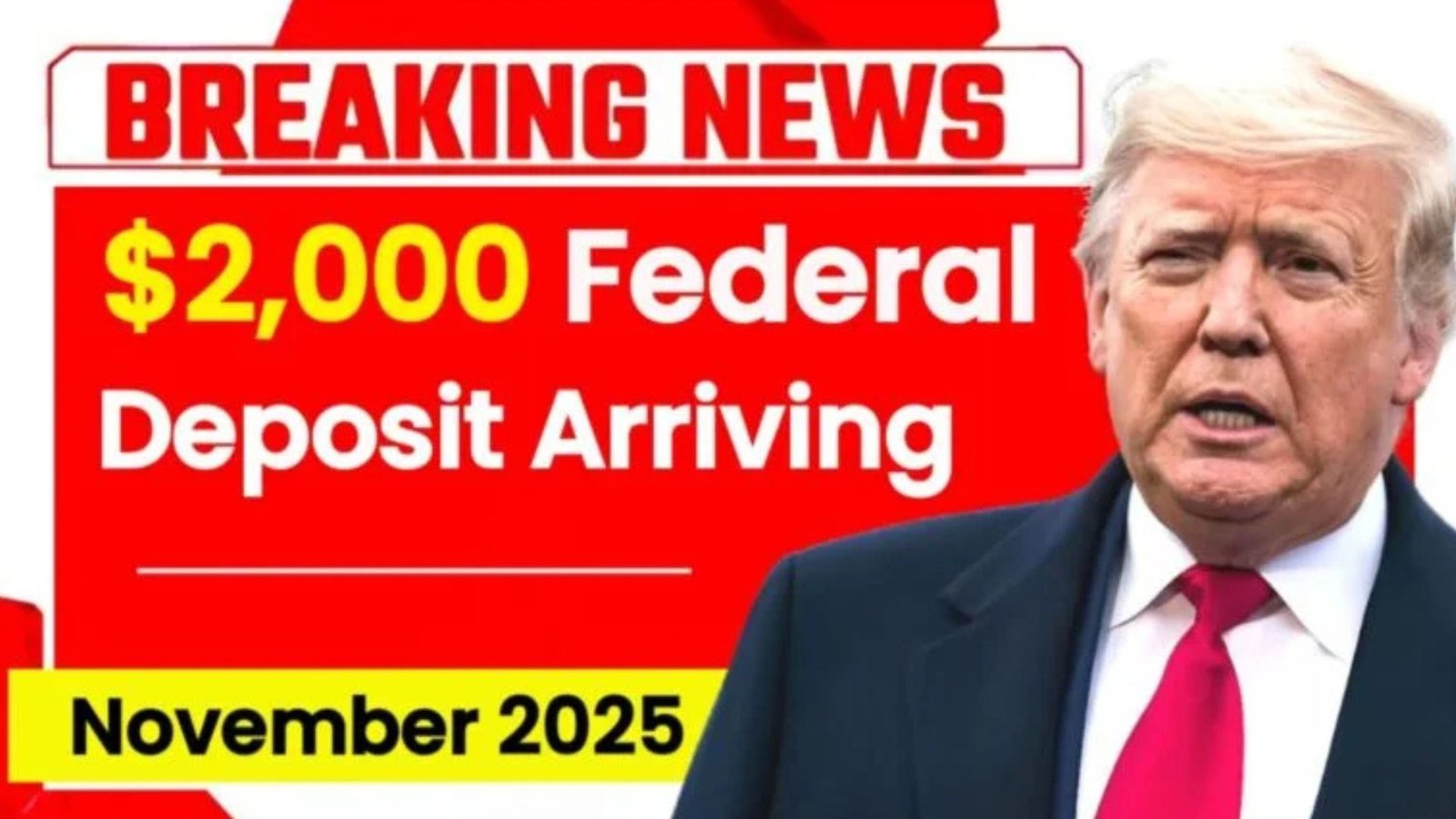
In the final stretch of 2025, with holiday shopping and winter bills piling up, social media is flooded with exciting claims about a $2,000 federal deposit hitting bank accounts in November. Videos and posts promise quick cash from the IRS to fight rising costs like food and fuel, targeting everyday folks from single parents to retirees. But before you celebrate, here’s the hard truth: This $2,000 federal deposit for November 2025 is not real.
It’s a viral hoax mixing old stimulus memories with fresh economic worries, leading to scams that steal personal info. No law from Congress or nod from the IRS backs it up. Instead of waiting for phantom funds, this honest guide helps you spot the fakes, understand real federal aid options, and protect your wallet. Optimized for clarity, we’ll cover why the rumor spread, who it tricks, and better ways to get support—all in plain English.
If you’re scrolling TikTok or Facebook for relief news, pause here. This SEO-boosted explainer draws from official sources to save you time and trouble. Let’s clear the air on the November 2025 $2,000 federal deposit myth and point you to actual help.
Why Is the $2,000 Federal Deposit Rumor Exploding in November 2025?
The buzz started with a Truth Social post from President Trump in late November 2025, floating a “$2,000 tariff dividend” idea—using money from import taxes to rebate middle-class Americans, skipping high earners. It snowballed into fake stories claiming IRS direct deposits for everyone, complete with doctored screenshots of bank statements or old 2021 stimulus notices with swapped dates. Why now? Inflation’s still stinging—groceries up 5-7% yearly—and folks crave the security of past checks that eased COVID hardships.
But experts and the IRS are clear: No bill’s passed, no funds allocated, and no payments scheduled. The last federal stimulus wrapped in 2021 ($1,400 max), with a claim deadline in April 2025. This hoax preys on hope, often linking to scam sites asking for Social Security numbers or fees to “unlock” your money. Real aid doesn’t work that way—government contacts come by mail only.
Who Does This Rumor Target? Understanding the Would-Be “Beneficiaries”
If it were true, the $2,000 deposit would aim at low- to middle-income U.S. citizens and residents, much like pandemic rounds. Singles earning $75,000 or less yearly, couples up to $150,000, and families with kids would qualify for the full hit, phasing down for higher brackets. Benefit receivers—like those on Social Security Disability Insurance (SSDI, cash for health-related work limits) or Supplemental Security Income (SSI, aid for low earners with disabilities)—might auto-qualify.
In reality, scammers cast a wide net: Retirees checking fixed incomes, gig workers short on savings, or parents eyeing holiday extras. Over 100 million Americans fit the “eligible” profile in old programs, making it easy to hook the desperate. Spot the trap: Posts promise “everyone gets it” without proof, urging clicks on shady links. You’re not missing out—because it’s fiction.
Common Victim Profiles
- Low Earners: Under $40,000/year, juggling bills.
- Seniors: 65+ on pensions, wary of tech scams.
- Families: Claiming kids for extras, stressed by school costs.
- Veterans: Overlapping with VA aid, trusting official-sounding alerts.
This table breaks down fake vs. real eligibility vibes:
| Group | Rumor’s “Eligibility” Claim | Actual Federal Aid Options | Red Flag Tip |
|---|---|---|---|
| Singles ($75K or less) | Full $2,000 auto-deposit | Earned Income Tax Credit (EITC) refunds up to $7,000 | No IRS confirmation? Fake. |
| Couples ($150K or less) | Joint full payout | Child Tax Credit (CTC) $2,000/kid | Demands bank info upfront? Scam. |
| SSI/SSDI Recipients | Priority electronic send | Automatic COLA boosts in 2026 (2.8%) | Unsolicited emails? Delete. |
| Families with Kids | Base + $500/child | State rebates (e.g., Alaska $1,000) | Viral videos with no .gov link? Hoax. |
| Veterans | Fast-tracked via VA | VA disability pay (up to $3,900/month) | “Claim now” fees? Report it. |
Over 80% of rumors target these groups—use IRS.gov to verify anything.
The “Payment Schedule” That’s Nowhere: What Scammers Want You to Believe
Fake posts detail waves: November 15-20 for early filers, 21-29 for others, via direct deposit showing as “IRS TREAS 310.” Paper checks? Supposedly December. But the IRS says zip—no tracking tool, no batches.
In truth, real federal payments (like 2024’s $1,400 Recovery Rebate) used SSN-based phases, but that’s history. For 2025, focus on tax refunds or state help. Here’s a debunk table:
| Fake Schedule Element | What’s Pushed | Reality Check | Better Action |
|---|---|---|---|
| Wave 1 (Nov 15-20) | Benefit holders first | No waves exist | File 2025 taxes for legit refunds. |
| Direct Deposit Label | “IRS TREAS 310” alert | Old stimulus code, not new | Set up real direct deposit on IRS.gov. |
| Paper Check Backup | Dec 1-15 mail | No checks coming | Apply for SNAP/food aid instead. |
| Tracking Tool | Fake “Get My Payment” links | Leads to phishing | Use official IRS tool for refunds only. |
Don’t click—report to FTC.gov.
Spotting and Stopping Scams: Protect Yourself from the $2,000 Hoax
Scammers thrive on urgency: “Claim by Nov 30 or lose it!” They mimic IRS letters or use deepfake videos. Signs? Requests for fees, gift cards, or wire transfers—government never asks.
Quick Defense Steps
- Verify Sources: Stick to IRS.gov or Treasury.gov—no social media scoops.
- Freeze Fakes: Forward scam texts to 7726; block callers.
- Secure Accounts: Change passwords if you shared info; monitor credit at AnnualCreditReport.com.
- Seek Real Help: Call IRS at 800-829-1040 for free advice.
Pitfalls table for common traps:
| Scam Tactic | How It Hooks You | Dodge It |
|---|---|---|
| Urgent Texts | “Your $2,000 awaits—click here” | Ignore; real IRS mails only. |
| Fake Sites | Mimics IRS login for data grab | Type irs.gov manually. |
| Fee Demands | “$50 to process your claim” | Aid is free—walk away. |
| Doctored Proof | Edited bank screenshots | Check your own statements. |
| Pressure Calls | “Act now or forfeit” | Hang up; report to FTC. |
Stay vigilant—billions lost yearly to these tricks.
Real Federal and State Alternatives: Where to Find Actual Support in 2025
Skip the myth—tap proven aid:
- Tax Credits: EITC/CTC for 2025 filings (up to $7,830 low-income boost).
- Unemployment/SSI: Monthly checks if eligible; apply at SSA.gov.
- State Rebates: Alaska’s $1,000 dividend, Minnesota’s rebates—check your state’s tax site.
- SNAP/Utility Help: Food stamps or bill aid via Benefits.gov.
Proposals like the American Worker Rebate Act (up to $2,400) are in talk, but stalled—no November action. Budget wisely: Track spending with free apps like Mint.
Conclusion: Don’t Fall for the November 2025 $2,000 Federal Deposit Myth—Empower Yourself Instead
The $2,000 federal deposit rumor for November 2025 is a clever scam riding economic fears, but it’s baseless—no IRS confirmation, no congressional vote, just viral lies costing folks time and money. Low earners, families, and seniors aren’t missing relief; they’re dodging thieves. Focus on real wins: File taxes for credits, explore state programs, and secure your info to build true stability. In tough times, knowledge beats hype—visit IRS.gov for facts and Benefits.gov for aid. You’ve navigated worse; arm yourself with truth for a scam-free holiday and stronger 2026.